 +91 7014607737
 info@technoloader.com

To build Web3 applications, you need to connect a web frontend to a crypto wallet. Your core logic then moves on-chain into smart contracts. Those contracts run on a public…
Web 3.0 Latest Blogs
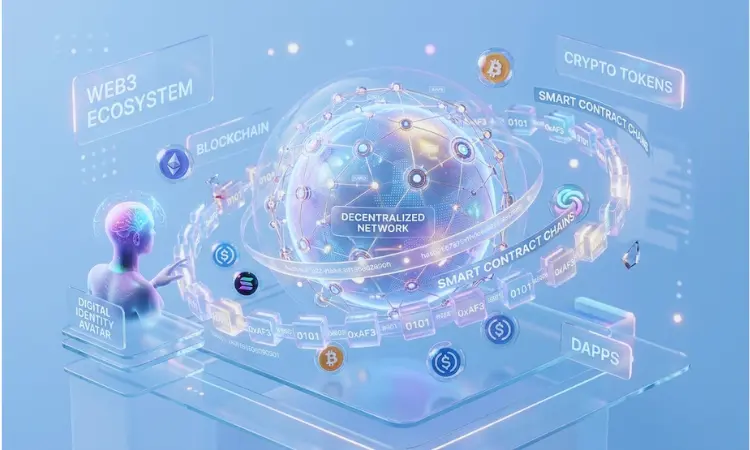

Key Takeaways: Instead of relying on centralized platforms that control access and information, Web3 gives users true ownership of digital assets, identity, and data. From Web1 (read-only) to Web2 (interactive),…
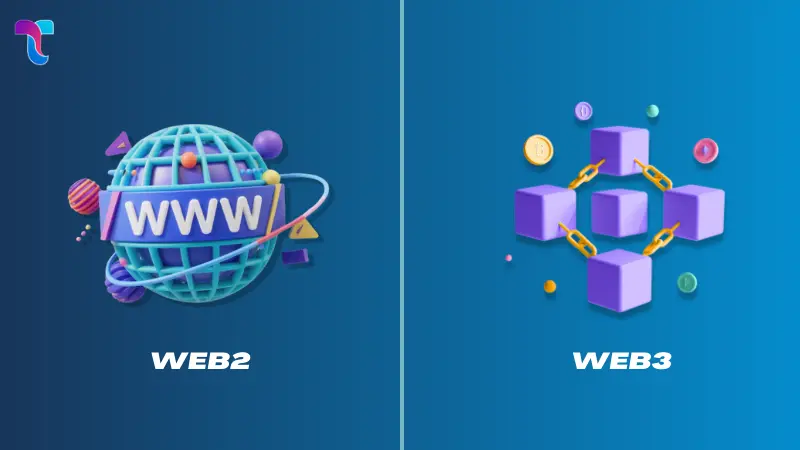
The way we use the internet has changed over the last two decades. From basic websites to social platforms, mobile apps, and data-driven marketing, businesses have adapted everything that defines…
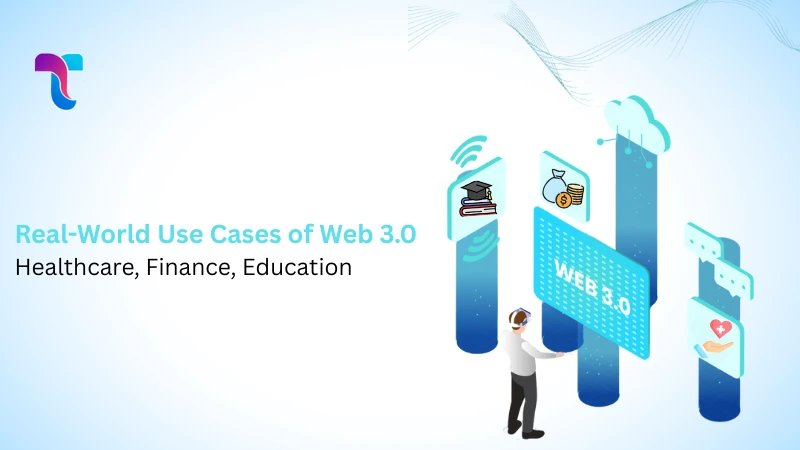
Real-world Web 3.0 use cases include decentralized healthcare data management, tokenized financial assets, blockchain-based digital currencies, and DAO-driven education platforms. Web 3.0 enables secure data ownership, transparent transactions, and trustless…
Web 3.0 adoption has been slowed mainly by poor user experience, not a lack of technology—complex concepts like wallets, gas fees, private keys, and smart contracts remain difficult for everyday…
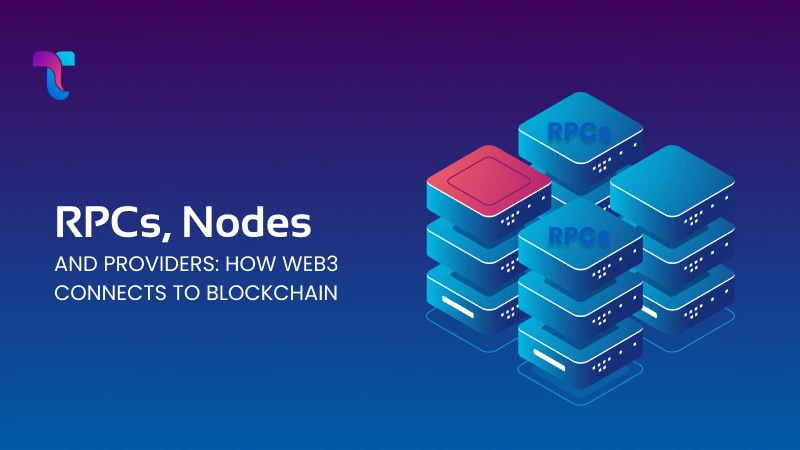
In Web3, RPCs (Remote Procedure Calls) enable applications to communicate with blockchain nodes to read data and submit transactions. Nodes store and validate blockchain data, while RPC providers supply reliable,…


