 +91 7014607737
 info@technoloader.com

The best blockchain gaming platforms in 2026 are Ethereum, Immutable, Ronin, Polygon, Solana, Sui, Avalanche, Beam, and WAX. Each one suits a different kind of game. There is no single…
Blockchain Game Development Latest Blogs
Stablecoins in gaming enable players and developers to use cryptocurrencies pegged to fiat (like USD) for in-game payments, rewards, and asset trading without price volatility. They provide fast, low-cost, borderless…
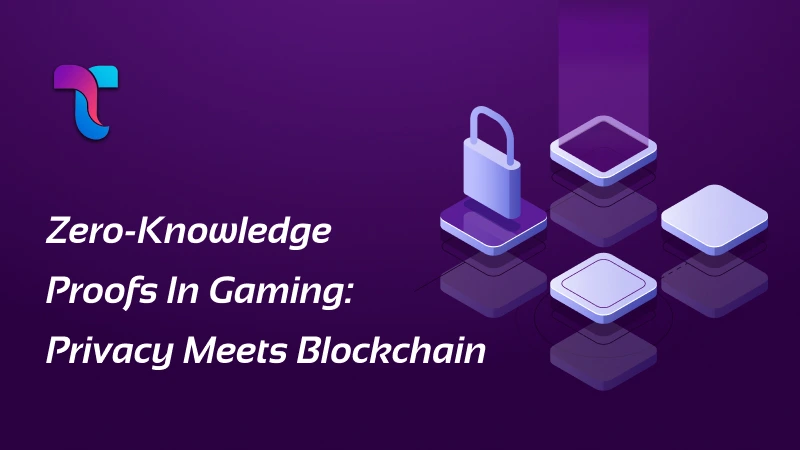
Zero-knowledge proofs (ZKPs) in gaming allow players to verify actions, ownership, or achievements on the blockchain without revealing personal data or gameplay details. This technology enables privacy-preserving gameplay, cheat-resistant mechanics,…
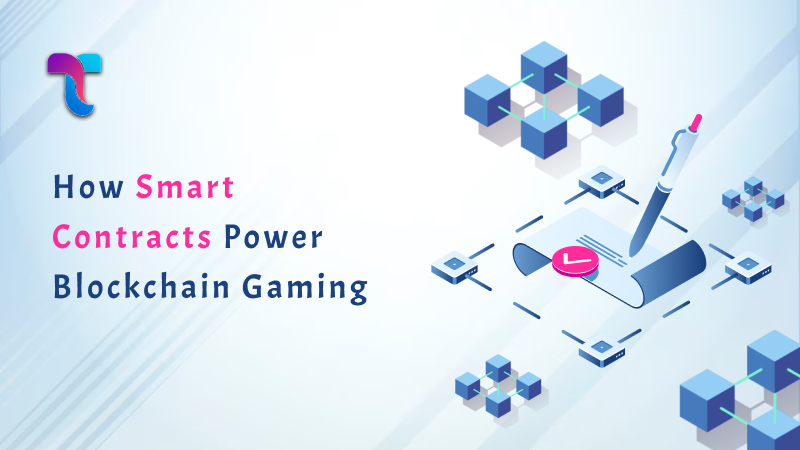
Smart contracts power blockchain gaming by automating in-game logic such as asset ownership, rewards distribution, and transactions on the blockchain. They ensure transparency and fairness by executing predefined rules without…
Tokenomics models in blockchain gaming define how in-game tokens are created, distributed, earned, and spent to balance player incentives and long-term sustainability. Common models include play-to-earn (P2E), dual-token systems (utility…
Blockchain gaming tokenomics focuses on designing sustainable in-game economies by balancing token supply, demand, and player incentives. It uses mechanisms like controlled token issuance, utility-driven rewards, staking, and token sinks…


