 +91 7014607737
 info@technoloader.com





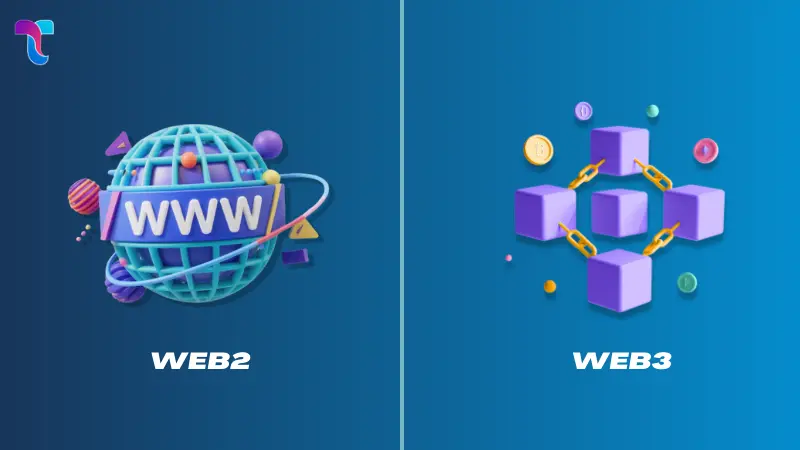
Table of Contents
The way we use the internet has changed over the last two decades. From basic websites to social platforms, mobile apps, and data-driven marketing, businesses have adapted everything that defines today’s Web2 experience. But now, a new phase of the internet is emerging: Web3.
Web3 has introduced new ideas like decentralization, digital ownership, and user-controlled data. Still in its developing phase, it’s already changing how businesses build products, connect with customers, and add value online.
For businesses, understanding the shift from Web2 to Web3 is becoming essential, not because one will replace the other, but because both will shape how future digital experiences are built. Companies exploring Web 3.0 solutions can build future-ready digital experiences that combine decentralization, security, and user ownership. In this blog, we will talk about the main differences and what they mean for businesses today.
What Exactly Is Web2?
Web2 is the internet we use every day. It’s a network where we scroll through social media, watch videos, shop online, and use apps made by big companies like Facebook, Google, and Amazon.
This version of the internet typically relies on centralized platforms, which means companies control the apps we use and the data we share. We create content like posts, photos, and reviews, but the platform owns the space where that content lives.
Because of this, businesses depend heavily on these platforms to reach customers. They rely on algorithms, ads, and accounts that the platform controls. Also, Web2 has made the internet more interactive and connected, but it also means businesses don’t fully own their audience or their customer data.
What Is Web3?
Web3 is the advanced version of the internet. Instead of big companies controlling everything, Web3 is built on decentralization, meaning users can own their data, digital items, and online identity through something called a digital wallet.
This newer version of the internet uses blockchain technology to let people make safe, open transactions without needing a middleman. In Web3, communities, not businesses, often run apps, and users can earn or hold tokens that give them real ownership or rewards.
Here are some great ideas that make Web3 completely different:
- Instead of platforms controlling user data, individuals manage their own identity and information, allowing industries like healthcare, finance, and education to securely verify and share data while preserving privacy.
- Web3 distributed control across networks, enabling industries like technology, media, and public services to operate more transparently and reliably without relying on a single authority.
- Automated rules and digital agreements streamline operations in banking, insurance, supply chains, and enterprises by reducing manual intervention and improving efficiency.
- Web3 enables ownership of content, credentials, access rights, and memberships that benefit creators, gaming platforms, education providers, and digital businesses.
In simple words, Web3 gives people more control and ownership online, and it opens up new opportunities for businesses to connect with customers without relying on traditional platforms.
Web2 vs. Web3: What’s Actually Changing?
After reading about both Web2 and Web3, you might have gotten clear about their differences. Still, to understand the real impact on businesses, let’s check out the core difference in practical terms.
Ownership: Who Holds the Power?
Web2: Platforms own your data, your followers, and even your content.
Web3: Users control their digital identity, data, and assets, which can be accessed across platforms instead of being locked inside a single one.
For businesses, this means:
- Customer relationships become direct, not mediated.
- Data access becomes permission-based and more transparent.
- Trust becomes easier to establish through transparent and verifiable digital records.
Customer Relationships: From Followers to Members
In Web2, brands rent access to their audience on social platforms. You may have 500K followers, but reaching them depends on an algorithm you don’t control.
In Web3, customers interact through wallets. This gives businesses:
- Direct communication channels without ads.
- Ability to create token-gated communities
- Think of it like moving from “broadcasting” to “collaborating.”
Monetization Models: Beyond Ads and Subscriptions
Web2 monetization relies heavily on advertising, subscription paywalls, platform fees, and data sales.
Web3 unlocks tokenized memberships. NFT-based products and digital goods, community-owned revenue models, and programmable royalties for creators.
Platform Dependence: Fewer Middlemen
In Web2, businesses depend on social media platforms, payment processors, marketplaces, and large hosting providers.
Meanwhile, Web3 reduces these dependencies with direct user relationships, programmable agreements, decentralized identity, and smart contracts that automate trust.
Branding and Community: From Followers to Co-Creators
Web2 communities are centralized around brands.
Web3 communities are decentralized around shared value.
For instance,
- A brand can issue NFTs that grant voting rights on future designs.
- A community can collectively own and profit from content.
- Token incentives can reward early supporters or loyal customers.
This changes the dynamic from “brand vs. audience” to “brand + community.”
Business Opportunities Emerging in Web3
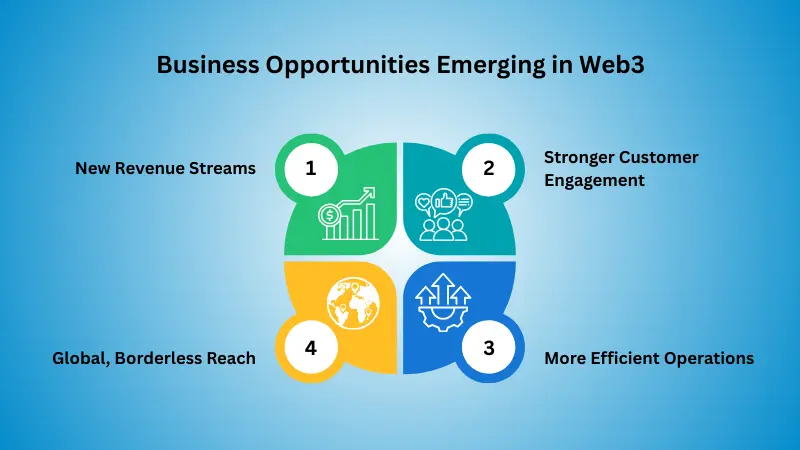
Since you’ve discovered the core difference between Web2 and Web3, now it’s time to uncover business opportunities emerging in Web3.
New Revenue Streams
Web3 gives businesses new ways to earn money by creating and selling digital items. These can include things like NFTs, digital collectibles, or special access passes that customers can buy and truly own.
Unlike traditional digital products, these items can also be resold by customers, which can create ongoing income for the brand through built-in royalties. This opens the door for businesses to launch creative digital products that didn’t exist before.
Stronger Customer Engagement
In Web2, customer engagement usually means likes, comments, or follows. But in Web3, customers can actually become part of the brand experience.
Companies can reward people with digital tokens, offer access to private communities, or give special perks to loyal customers. This ensures customers feel more involved and valued, turning casual buyers into active participants who help shape the brand.
More Efficient Operations
By using smart contracts, Web3 helps businesses reduce manual work and cut down on middlemen. These are generally the automated programs that run on the blockchain and carry out actions on their own, such as processing payments, sending rewards, or verifying transactions.
Because everything happens automatically, businesses can save time, reduce errors, and lower operational costs.
Global, Borderless Reach
One of the biggest advantages of Web3 is that it makes it easier for businesses to reach customers anywhere in the world.
With crypto payments, companies don’t need to worry about currency conversions, banking delays, or high transaction fees. Anyone with a digital wallet can buy from you, join your community, or access your product instantly.
Risks & Challenges Businesses Must Consider
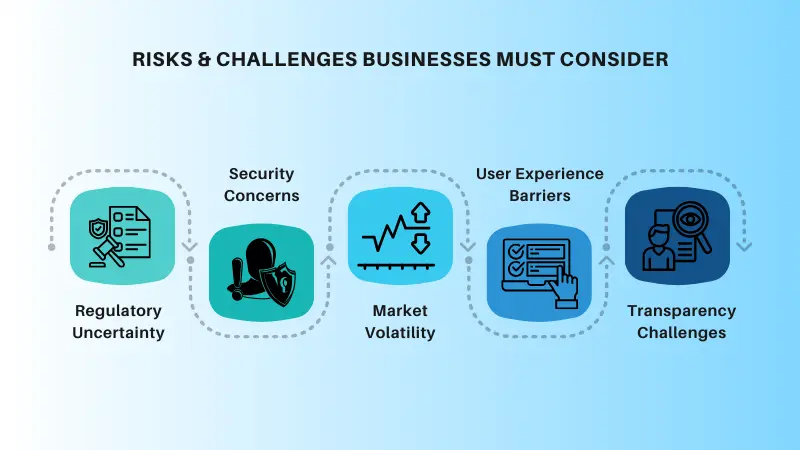
As promising as Web3 is, no emerging technology comes without challenges; here are some risks and challenges businesses must be aware of:
1. Regulatory Uncertainty
Web3 is still a new concept, and governments around the world are still figuring out how to regulate things like cryptocurrencies, NFTs, and digital assets. This means businesses may face unclear rules or changing regulations over time. Companies need to stay informed and make sure they’re following local laws to avoid legal issues.
2. Security Concerns
Although blockchain technology is secure, Web3 still comes with risks. Smart contracts can have bugs, wallets can be hacked, and scammers often target users who are new to crypto. Businesses must invest in proper security measures, such as smart contract audits and safe wallet systems, to protect themselves and their customers.
3. Market Volatility
Cryptocurrencies and digital assets can change in value quickly. This price volatility can affect business plans, customer interest, and the success of some Web3 projects. A token that is valuable today might drop tomorrow. Because of this, companies should not depend too heavily on token prices and should focus on long-term value instead of short-term hype.
4. User Experience Barriers
Many people still find Web3 confusing. Managing wallets, handling seed phrases, and understanding blockchain terms can be intimidating for new users. This can limit how quickly customers adopt Web3 products. Businesses need to create simple, user-friendly experiences and offer clear guidance so customers don’t feel overwhelmed when trying something new.
5. Transparency Challenges
Web3 is built on transparency, which can be both helpful and challenging. Because blockchain records are public, mistakes, conflicts, or poor decisions can be visible to everyone. Businesses also need to handle customer data more responsibly since users expect more control in Web3. This means companies must operate more openly and maintain high trust with their community.
Practical Steps for Businesses Transitioning to Web3
1. Start with Education and Strategy
First, learn the basics of Web3, explore how it fits your business, and build a clear strategy. Understanding the technology helps you make smarter decisions and avoid unnecessary risks.
2. Try Low-Risk Experiments
Begin with small projects like NFTs, crypto payments, or digital memberships. These simple tests help you understand customer reactions and Web3 tools without making big investments.
3. Build a Community
Engage your audience with rewards, token perks, or private groups. In Web3, strong communities drive growth, so involve customers early and make them feel part of the brand.
4. Set Up the Right Infrastructure
Use secure wallets and audited smart contracts, and choose the right blockchain network. Strong infrastructure ensures smooth Web3 operations and protects both your business and customers.
Real-World Examples: Who’s Already Using Web3?
Many industries are exploring Web3 innovations:
- Fashion: Nike and Adidas sell digital sneakers and virtual wearables.
- Gaming: Games like Axie Infinity enable players to own in-game assets.
- Finance: DeFi platforms offer loans, yield, and trading without banks.
- Entertainment: Musicians offer NFT-based access passes or royalty shares.
These aren’t experiments; they’re new business models gaining traction worldwide.
Conclusion
Web3 is creating a more open and user-owned online world, giving businesses new ways to build trust, offer value, and connect with customers. Although there are challenges such as learning new tools, understanding regulations, and improving security, the potential benefits are worth exploring.
Businesses can start small and grow at their own pace while discovering what works best for them. With the right support and guidance from Technoloader, companies can transition into Web3 with confidence and unlock exciting opportunities for growth in the digital future.

Kanak Badaya
Kanak Badaya is a Technical Content Writer at Technoloader with over 3 years of experience translating complex technology into content that actually makes sense. He works closely with emerging domains like Blockchain, Web3, AI, and DeFi, turning intricate technical concepts into clear, structured, and engaging narratives that help businesses communicate with confidence. Rather than just writing for search engines, Kanak focuses on writing for people. He combines in-depth research with a practical understanding of the industry to create blogs, website content, and technical guides that inform, educate, and build credibility. His goal is simple - make advanced technology feel approachable while helping Technoloader strengthen its authority in the digital space.
Published in Web 3.0


